
How to Recover Financially After a Tough Year
Anúncios
Life often throws curveballs, and sometimes those curveballs hit hard, leaving our finances in disarray. Whether it was a job loss, a health crisis, an unexpected major expense, or a significant economic downturn, many people find themselves asking: How to recover financially after a tough year? The answer is not a single, magic bullet, but rather a structured, compassionate, and persistent approach to rebuilding stability and momentum.
This article will guide you through the practical, emotional, and strategic steps necessary to mend your financial foundations, regain control, and emerge stronger and more resilient than before.
The journey to recover financially can feel overwhelming, especially when the emotional weight of a difficult period is still present. It’s crucial to understand that this process is less about perfection and more about progress.
Anúncios
We’ll explore how to assess the damage without judgment, prioritize your immediate needs, systematically tackle debt, rebuild savings, and ultimately recalibrate your financial compass for a more secure future. This isn’t just about balancing a budget; it’s about repairing your relationship with money, fostering newfound resilience, and setting the stage for long-term prosperity.
Acknowledging the Damage: The First Step to Recovery
Before any effective strategy can be implemented, it is essential to confront the current financial reality head-on. This step requires courage and honesty, as it means looking at numbers that might evoke stress, frustration, or even shame. However, this unvarnished assessment is not about dwelling on past mistakes; it’s about gathering the necessary data to chart a clear path forward. Without truly understanding the extent of the damage, any recovery effort will be built on shaky ground.
Anúncios
Taking Stock of Your Current Financial Situation
Begin by compiling a comprehensive overview of your financial standing. This involves reviewing all accounts, statements, and bills to get a clear picture of your income, expenses, assets, and liabilities.
- Gather All Documents: Collect recent bank statements (checking and savings), credit card statements, loan statements (mortgage, auto, student, personal), investment account statements, and any outstanding bills.
- List All Income Sources: Document every source of money coming in, no matter how small or irregular. This includes salaries, side hustle income, unemployment benefits, disability payments, or any other consistent cash flow. Be realistic about current income, especially if it has decreased.
- Identify All Expenses: Go through at least the last three months of bank and credit card statements to categorize every single outgoing payment. This will reveal where your money has actually been going. Distinguish between fixed expenses (rent, loan payments) and variable expenses (groceries, utilities, entertainment).
- Tally All Debts: Create a detailed list of all your debts. For each debt, note the creditor, the outstanding balance, the interest rate, the minimum monthly payment, and the due date. Pay particular attention to high-interest debts like credit cards.
- Assess Available Assets: List any assets you possess, such as cash in savings accounts, investments, or any items of value that could be sold if absolutely necessary (though this should be a last resort).
This comprehensive review provides the raw data needed to understand the scope of your recovery project. It might be uncomfortable, but it’s a non-negotiable step toward regaining control.
The Emotional Landscape of Financial Setbacks
Financial hardship is rarely just about numbers; it carries a significant emotional toll. Acknowledging and processing these emotions is a vital part of the recovery process. Ignoring them can lead to poor financial decisions driven by stress, fear, or a desire for instant gratification.
- Practice Self-Compassion: Understand that financial setbacks happen to many people due to circumstances often beyond their control. Avoid self-blame; instead, focus on what you can control moving forward.
- Recognize the Stages of Grief: You might experience denial, anger, sadness, or even a sense of bargaining. These are normal reactions. Allow yourself to feel them, but don’t let them paralyze your ability to act.
- Seek Support: Talk to a trusted friend, family member, or a professional therapist or financial counselor. Sharing your burden can alleviate stress and provide new perspectives. Financial struggles can be isolating, but you don’t have to face them alone.
- Avoid Emotional Spending: During tough times, there’s a temptation to engage in “retail therapy” or excessive spending as a coping mechanism. Be mindful of this tendency and find healthier ways to manage stress, such as exercise, hobbies, or meditation.
Stabilizing the Foundation: Immediate Actions to Recover Financially
Once you’ve assessed the situation and acknowledged the emotional impact, the immediate priority is to stop the bleeding and establish a stable financial footing. This phase focuses on crisis management and preventing further deterioration. It’s about securing your immediate needs and creating a small buffer.
Creating a Bare-Bones Budget (or “Survival Budget”)
This is not a long-term spending plan, but a temporary, highly restrictive budget designed to cover absolute necessities and minimize cash outflow.
- Identify True Needs vs. Wants: Ruthlessly categorize every expense. Needs are essential for survival: housing, basic utilities, food, essential transportation, and minimum debt payments. Everything else is a want, no matter how accustomed you are to it.
- Cut All Non-Essential Spending: Temporarily eliminate dining out, entertainment subscriptions, new clothes, excessive coffee runs, and any other discretionary spending. This might feel extreme, but it’s crucial for gaining immediate control.
- Negotiate and Reduce Fixed Costs:
- Housing: If rent or mortgage payments are a struggle, contact your landlord or lender immediately. Explore options like deferred payments, temporary reductions, or payment plans. Do not wait until you miss a payment.
- Utilities: Contact utility providers to see if you qualify for assistance programs, payment extensions, or budget billing options.
- Insurance: Review all insurance policies (auto, home, health). Can you raise deductibles to lower premiums? Are there cheaper providers offering similar coverage?
- Subscriptions: Cancel unused or non-essential subscriptions, from streaming services to gym memberships you aren’t using.
- Track Every Penny (Again): During this phase, meticulous tracking is paramount. Use an app, a spreadsheet, or even a notebook to record every dollar in and out. This keeps you accountable and helps identify any hidden leaks.
Boosting Income: Short-Term Solutions
While long-term career planning is important, this phase focuses on immediate cash injection to help you recover financially more quickly.
- Explore Side Gigs: Look for temporary or flexible work that can generate quick cash. This could include:
- Gig economy jobs (delivery services, ride-sharing)
- Freelancing (writing, graphic design, virtual assistance)
- Selling unwanted items (clothes, electronics, furniture)
- Pet sitting, babysitting, or odd jobs for neighbors
- Seek Temporary Work: If you’ve been laid off, expand your job search to include temporary or contract roles that can provide immediate income, even if they aren’t your ideal long-term position.
- Utilize Skills: Consider offering services based on your skills, like tutoring, consulting, or specialized repairs.
- Monetize Hobbies: If you have a craft or hobby, explore selling your creations online or at local markets.
The goal here is to bridge the gap and provide breathing room, not necessarily to find your dream job. Every extra dollar helps alleviate pressure.
Strategizing Debt Reduction and Credit Repair
Once stability is established, the next critical phase involves systematically addressing any accumulated debt and working to repair your credit score. This is where strategic thinking and disciplined action truly pay off. Ignoring debt only allows interest to compound, making the hole deeper.
Prioritizing and Attacking Debt
Not all debt is created equal. The skill lies in prioritizing debts that cause the most financial pain or pose the greatest threat to your future.
- High-Interest Debt First (The Debt Avalanche): List all your debts from the highest interest rate to the lowest. Dedicate any extra funds to paying off the debt with the highest interest rate first, while making minimum payments on all others. Once the highest-interest debt is eliminated, roll the payment amount you were making on it into the next highest-interest debt. This method saves the most money in interest over time.
- Example: A credit card with 25% APR costs you significantly more than a student loan with 5% APR, even if the balance is smaller. Attack the 25% APR first.
- Negotiate with Creditors: If you are struggling to make minimum payments, contact your creditors before you miss a payment. Explain your situation. They may be willing to:
- Temporarily reduce interest rates.
- Offer a temporary hardship plan.
- Set up a more manageable payment schedule.
- Credit Counseling Agencies: Reputable non-profit credit counseling agencies can help negotiate with creditors on your behalf, potentially consolidating debt into one lower monthly payment. Be wary of debt settlement companies that promise to reduce your debt for a large fee; they can damage your credit.
- Balance Transfer Offers: If you have good credit (or are rebuilding it), consider a balance transfer credit card with a 0% introductory APR. This can give you a window to pay down high-interest debt without accumulating more interest, but be disciplined to pay it off before the introductory period ends.
Rebuilding and Maintaining Good Credit
Your credit score is a crucial financial asset, especially in the US. A good score opens doors to lower interest rates on loans, better insurance premiums, and even certain job opportunities.
- Monitor Your Credit Report: Obtain your free annual credit report from AnnualCreditReport.com. Review it for errors and dispute any inaccuracies immediately. Understanding what’s on your report is the first step to improving it.
- Make All Payments on Time: Payment history is the most significant factor in your credit score. Set up automatic payments for all bills to avoid missed payments.
- Keep Credit Utilization Low: Aim to keep your credit card balances below 30% of your available credit, ideally below 10%. If you have a $10,000 credit limit, try to keep your balance below $3,000.
- Become an Authorized User: If a trusted family member with excellent credit is willing, becoming an authorized user on one of their credit cards (even if you don’t use it) can help boost your credit history, assuming they continue to make timely payments.
- Secured Credit Cards: If your credit score is very low, a secured credit card can be a great tool for rebuilding. You deposit money into an account, which acts as your credit limit. This minimizes risk for the lender while allowing you to demonstrate responsible credit behavior.
For a comprehensive guide on managing debt and improving credit scores, the Federal Trade Commission (FTC) provides reliable, unbiased information: https://www.consumer.ftc.gov/
Rebuilding Savings and Investing for the Future
Once the immediate crisis is averted and debt is under control, the focus shifts to fortifying your financial future. This involves methodically rebuilding your emergency fund and strategically beginning to invest again. This phase is about long-term security and wealth creation.
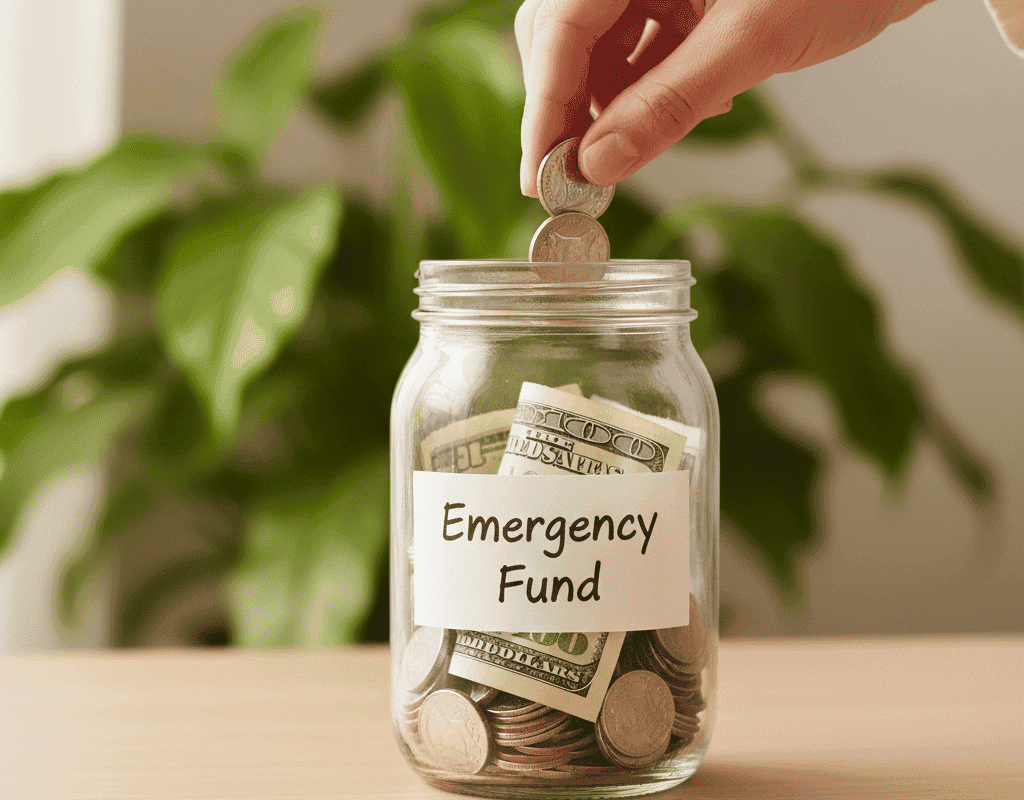
Reestablishing Your Emergency Fund
This is the non-negotiable next step after addressing high-interest debt. An emergency fund acts as a financial shock absorber, preventing future life surprises from derailing your progress.
- Start Small: If your emergency fund was depleted, begin by saving just $500 or $1,000. This “mini-emergency fund” covers small, unexpected expenses without resorting to credit cards.
- Set a Realistic Goal: Aim for 3 to 6 months of essential living expenses (the amount determined in your bare-bones budget). If your job is unstable or you have dependents, consider aiming for 9 to 12 months.
- Automate Savings: Set up automatic transfers from your checking account to a separate, high-yield savings account on payday. Treat this transfer as a non-negotiable bill.
- Keep it Liquid and Accessible: Your emergency fund should be in an account that is easy to access but separate from your daily spending account to reduce temptation. A high-yield savings account is ideal.
Table: Emergency Fund Building Milestones
| Milestone | Target Amount | Purpose |
| Phase 1: Starter Fund | $500 – $1,000 | Covers minor emergencies (e.g., car repair, unexpected bill) without going into debt. Builds confidence. |
| Phase 2: 1 Month Expenses | 1 month’s essential expenses | Provides a buffer for short-term income disruptions or larger unexpected costs. |
| Phase 3: 3-6 Months Expenses | 3-6 months’ essential expenses | Comprehensive protection against job loss, major medical issues, or significant economic downturns. |
Strategic Investing (Even with Limited Funds)
Once your emergency fund is sufficiently robust, you can turn your attention back to investing. The key is to start, even with small amounts, and leverage tax-advantaged accounts.
- Take Advantage of Employer Match: If your employer offers a 401(k) match, contribute at least enough to get the full match. This is free money and an immediate, guaranteed return on your investment. It should be prioritized even before fully funding an emergency fund if the match is substantial.
- Open a Roth IRA: For many, a Roth IRA is an excellent investment vehicle. Contributions are made with after-tax dollars, but qualified withdrawals in retirement are tax-free. This provides significant tax diversification for your future self.
- Focus on Low-Cost Index Funds/ETFs: You don’t need to be a stock-picking expert. Invest in broad-market index funds or Exchange-Traded Funds (ETFs) that track the overall market (like the S&P 500). These offer diversification at a very low cost.
- Dollar-Cost Averaging: Continue to invest a consistent amount regularly, regardless of market fluctuations. This strategy, known as dollar-cost averaging, reduces risk by averaging out your purchase price over time.
Long-Term Resilience: Preventing Future Financial Setbacks
Successfully recovering financially is not just about fixing the past; it’s about building habits and structures that protect you from future shocks. This final phase focuses on education, adaptation, and maintaining vigilance.
Continuous Financial Education
The financial world is constantly evolving, and your knowledge should too. Make financial literacy an ongoing priority.
- Read Books and Articles: Follow reputable financial authors, blogs, and news sources. Focus on evidence-based strategies, not get-rich-quick schemes.
- Listen to Podcasts: Many excellent personal finance podcasts offer digestible advice on a wide range of topics, from budgeting to investing to real estate.
- Seek Professional Advice: For complex situations, consider consulting a fee-only, fiduciary financial advisor. They are legally obligated to act in your best interest and can provide tailored guidance.
- Understand Behavioral Finance: Learn how psychology impacts financial decisions. Recognizing your own biases (e.g., fear of missing out, herd mentality) can help you make more rational choices.
Building Financial Buffers Beyond the Emergency Fund
While an emergency fund covers immediate crises, additional buffers add layers of financial security.
- Future “Sinking Funds”: Create separate savings accounts or virtual envelopes for anticipated larger expenses, such as a new car down payment, home repairs, or planned vacations. This prevents these expenses from becoming unexpected financial shocks.
- Increased Insurance Coverage: As your assets grow and your responsibilities change, review and potentially increase your insurance coverage (e.g., higher liability limits on auto insurance, umbrella insurance for significant assets).
- Diversify Income Streams: Relying on a single income source is a significant risk. Explore ways to create additional income streams, even small ones, such as a side hustle, rental income, or dividend income from investments.
Regular Financial Check-ups
Just like you schedule medical check-ups, set aside time for regular financial reviews.
- Monthly Check-in: Review your spending against your budget, track progress toward debt and savings goals, and adjust your plan as needed.
- Quarterly Review: Take a deeper dive into your net worth (assets minus liabilities), review investment performance, and make any necessary rebalancing adjustments.
- Annual Financial Tune-up: At the end of each year (or beginning of the new one), conduct a comprehensive financial review.
- Re-evaluate your budget against your actual spending.
- Update your financial goals.
- Review all insurance policies.
- Check your credit report.
- Assess your investment allocations and tax strategies.
For ongoing financial news, tools, and educational resources, NerdWallet offers a broad range of articles and calculators that can support your long-term financial health: https://www.nerdwallet.com/
Successfully navigating how to recover financially after a tough year is a testament to resilience, strategic planning, and consistent effort. It’s a journey that begins with an honest assessment of your current situation, moves through phases of stabilization and debt reduction, and culminates in rebuilding savings and preparing for a more secure future. This process isn’t linear, and there will be moments of frustration, but each deliberate step forward is a victory.
Remember that true financial recovery extends beyond just the numbers on a spreadsheet. It involves healing your relationship with money, learning from past challenges, and building an unbreakable foundation of financial discipline and knowledge. By embracing these principles, you not only overcome past setbacks but equip yourself with the tools to withstand future storms, ensuring greater peace of mind and long-term prosperity.
Don’t let the weight of the past hold you back. Begin your recovery journey today by scheduling a “Financial Reboot Hour.” Use this time to simply gather all your financial statements and write down your total income and total debt. This simple act of awareness is the most powerful catalyst for change.
